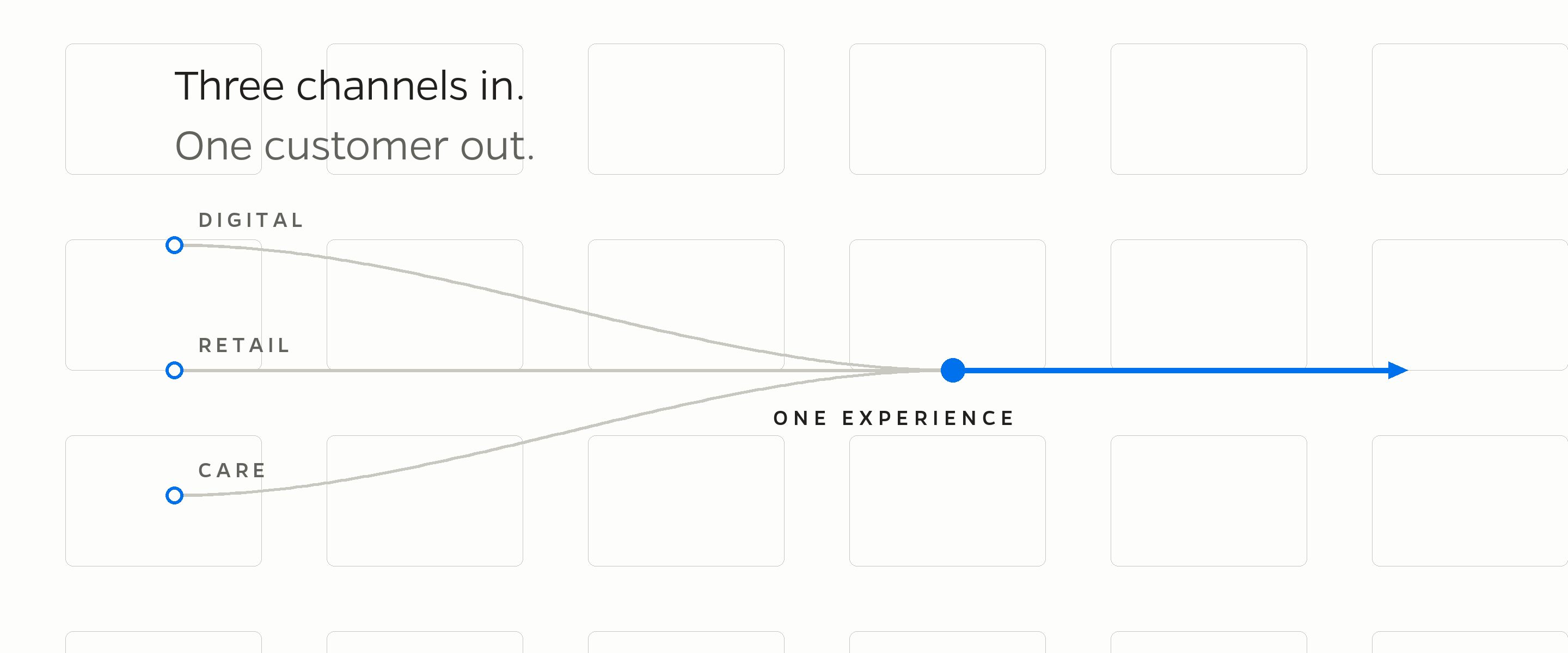
The agent sees what the customer sees.
Project details
- Role
- Associate Director, CX Design
- Client
- AT&T
- Timeline
- 2020 to 2023
- Scope
- Digital, Retail, Care
Overview
AT&T’s customers moved between the website, the store, and the call center; the experience didn’t move with them. I built and led the CX design function that changed that, growing the team from four practitioners to seventeen while architecting the Salesforce platforms that put retail and call-center agents inside the same experience customers saw at home. Parity across Digital, Retail, and Care stopped being an aspiration and became the operating model. Here’s how human assistance and self-service learned to tell the same story.
Opportunity
Every channel answered the same customer with a different experience, so I set out to give the human-assist channels the same design language, the same data, and the same answers as digital self-service.
Research & Discovery
We mapped the full customer journey and the agent reality behind it, and three findings set the agenda:
- The customer repeated herself at every door
- Context died at each channel handoff. A plan conversation started online had to be rebuilt from scratch in the store, and again on the phone. The pain wasn’t in any one channel; it lived in the seams.
- Agents were power users of broken tools
- Reps swiveled across systems that were never designed as one, and their expertise was spent compensating for the tooling. We built agent and rep personas with the same rigor as customer personas. The employee was a user the company had never designed for.
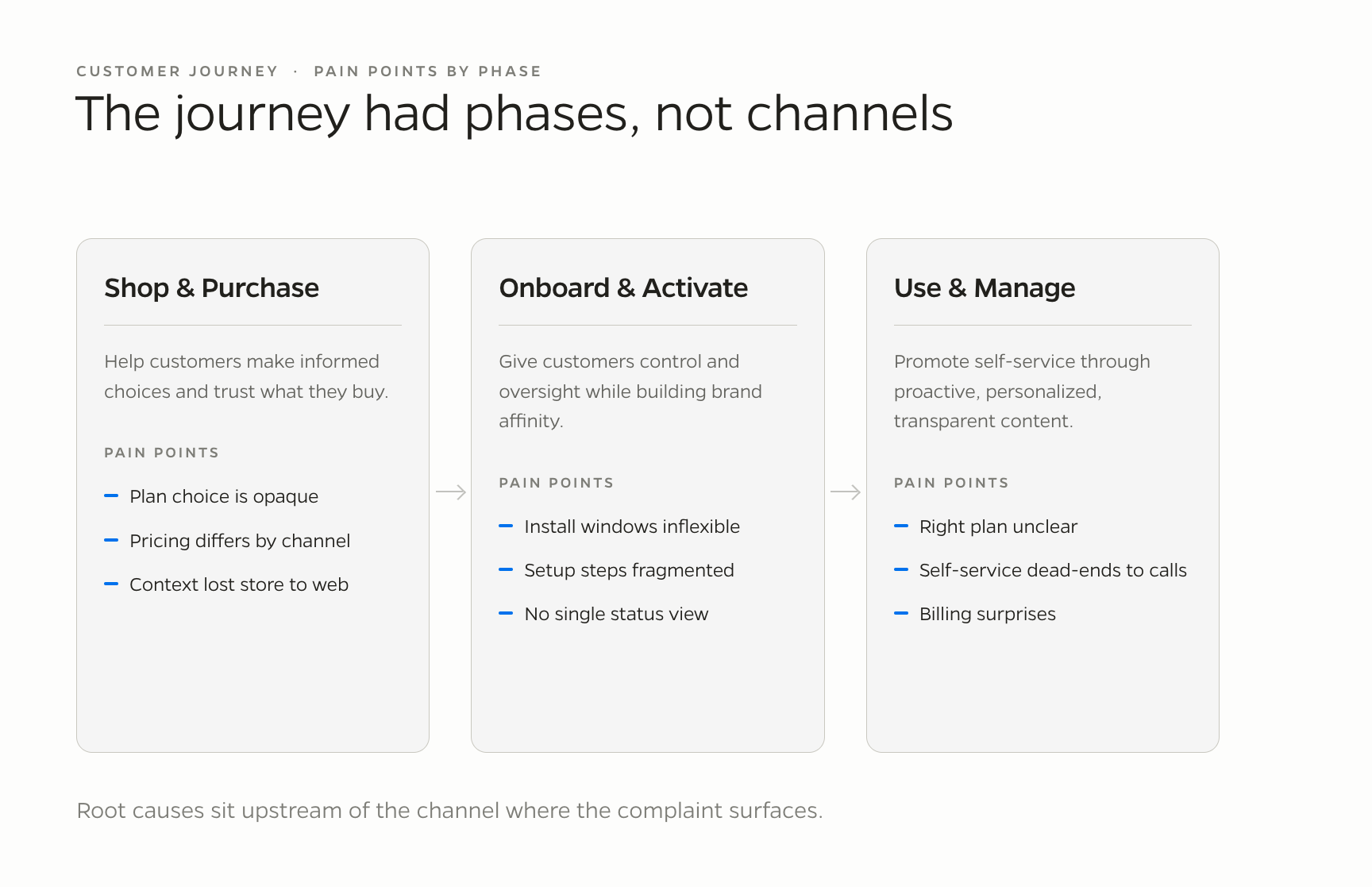
- The journey had phases, not channels
- Mapping pain points by journey phase, shopping and purchase, onboarding and activation, use and manage, showed root causes sitting upstream of wherever the complaint surfaced. Fixing a store problem often meant fixing a digital one.
The store, the call center, and the app were three companies wearing one logo.
How I framed it
Three constraints shaped the work. Agents are measured in handle time, so every added click costs real minutes multiplied across tens of thousands of reps; elegance had to make agents faster, not just interfaces prettier. Salesforce was both the constraint and the canvas; we designed inside platform primitives so the work would survive contact with the roadmap. And the team was growing while delivering: the function had to scale from four to seventeen without the craft bar dipping in a single program increment.
Key decisions
One journey, two seats
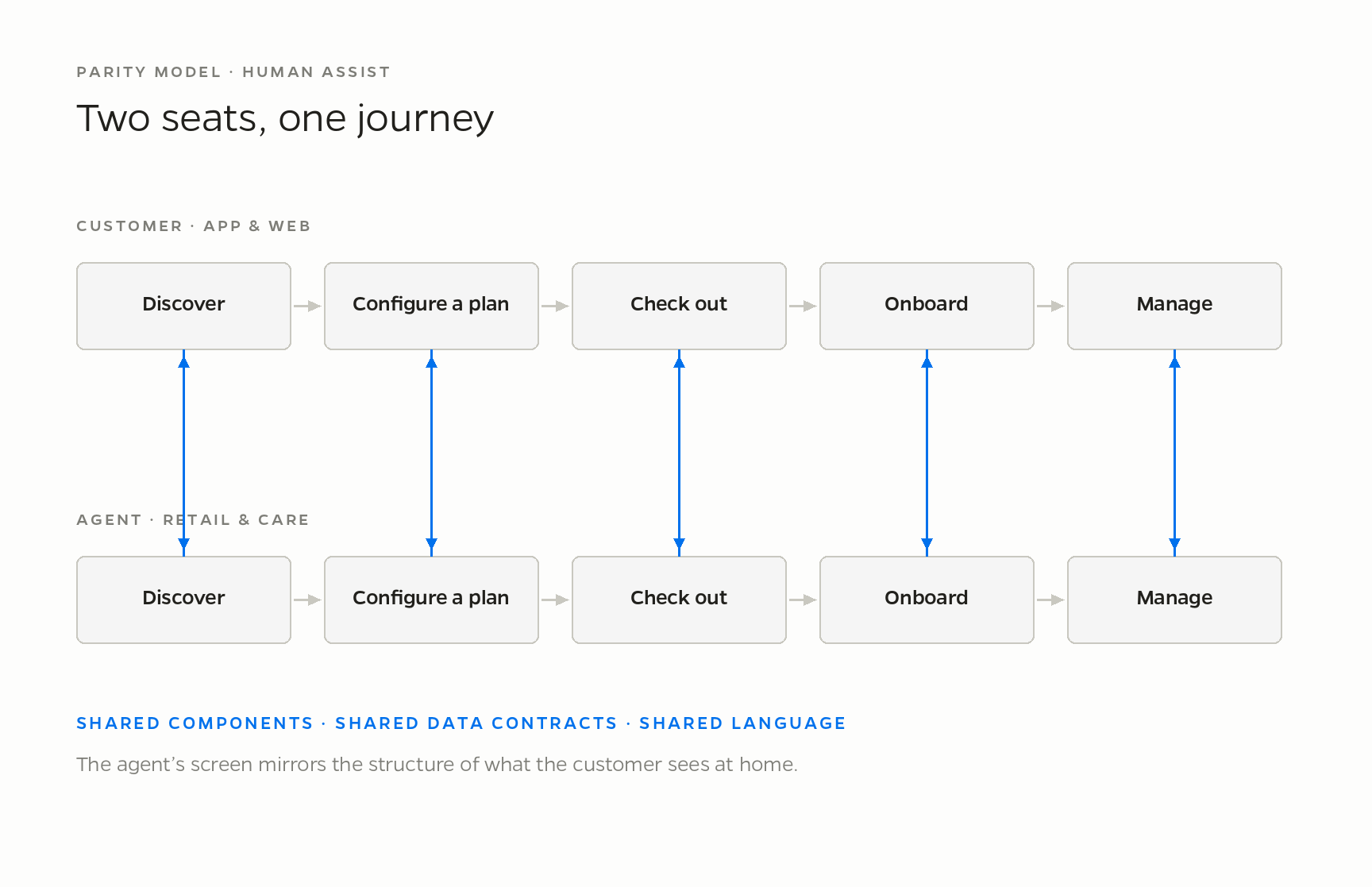
We designed the customer flow and the agent flow as two views of the same journey. The agent’s screen mirrors the structure of what the customer sees at home, so a conversation that started online continues in the store instead of starting over.
Architecture
Personas for the people on payroll
Agent and rep personas got the same research rigor as customer personas. Once the company could see its frontline as users, employee experience stopped being an HR topic and became a design surface.
Research
Parity as a system, not a mandate
Cross-channel consistency came from shared components and shared data contracts, not a style-guide memo. Parity you have to remember is parity you eventually lose.
System
Critique culture as infrastructure
Hiring four to seventeen only works if quality scales with headcount. We built the critique cadence, craft standards, and career ladders first, so every new designer raised the average instead of diluting it.
Team
Intake to identity
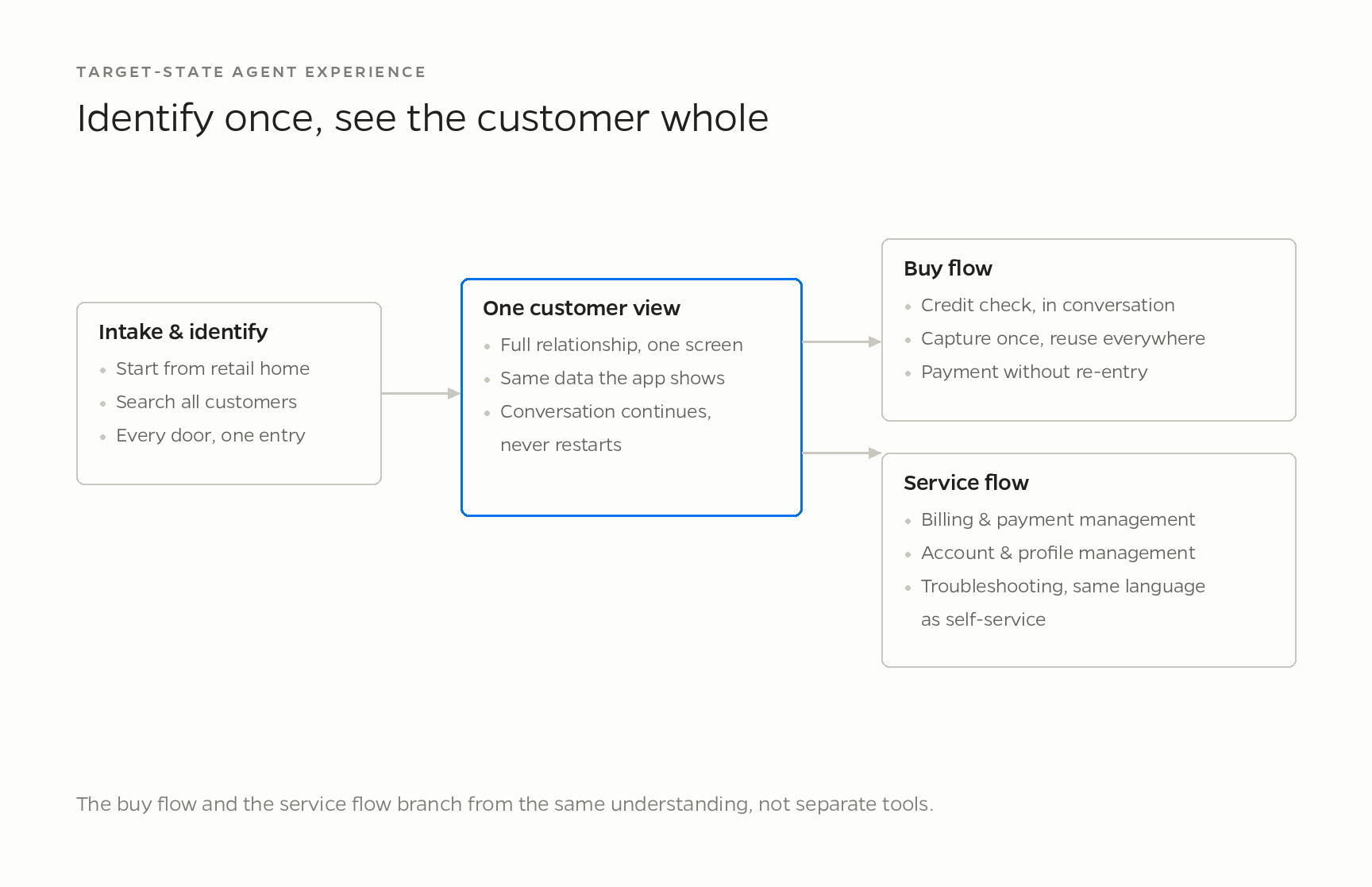
The target-state agent experience opens every interaction the same way: identify the customer once, then see them whole. From the retail home screen an agent searches all customers and lands in a single customer view, with the buy flow and the service flow branching from the same understanding instead of living in separate tools.
The human-assist handoff
Self-service and human assistance were designed as one continuum. The customer who walks into a store mid-purchase is met by an agent looking at the same plan structures, the same pricing logic, and the same language she just left in the app. The handoff stopped being a restart.
User Testing
The frameworks earned their shape in rooms full of the people they would change: omnichannel workshops in Atlanta and LA set the foundation, and frontline lockdowns with store reps and care agents pressure-tested the target-state flows against real shifts. When a flow added seconds to a rep’s handle time, we heard about it immediately, which is exactly what the sessions were for.
Results
- 4 → 17
- practitioners on the CX design function I built
- 3 channels
- one design language across Digital, Retail, and Care
- 5 PIs
- of continuous agent-experience delivery on the Salesforce roadmap
The structural result outlasted any single release: design held a seat in the multi-year roadmap conversations, balancing corporate KPIs against what customers and agents actually needed. The team I built carried the standard forward after I left, which is the only succession metric that matters.
Reflection
This is where I learned that scaling a team is a design problem with the same failure modes as scaling a system: lose the standard and you lose the work, no matter how good the hiring. I would invest in the data contracts even earlier; component parity is visible, but it’s the shared data underneath that makes channels feel like one company. And the agent personas taught me a lesson I’ve carried since: the fastest way to improve a customer’s experience is often to design for the employee sitting across from her.
Case studies
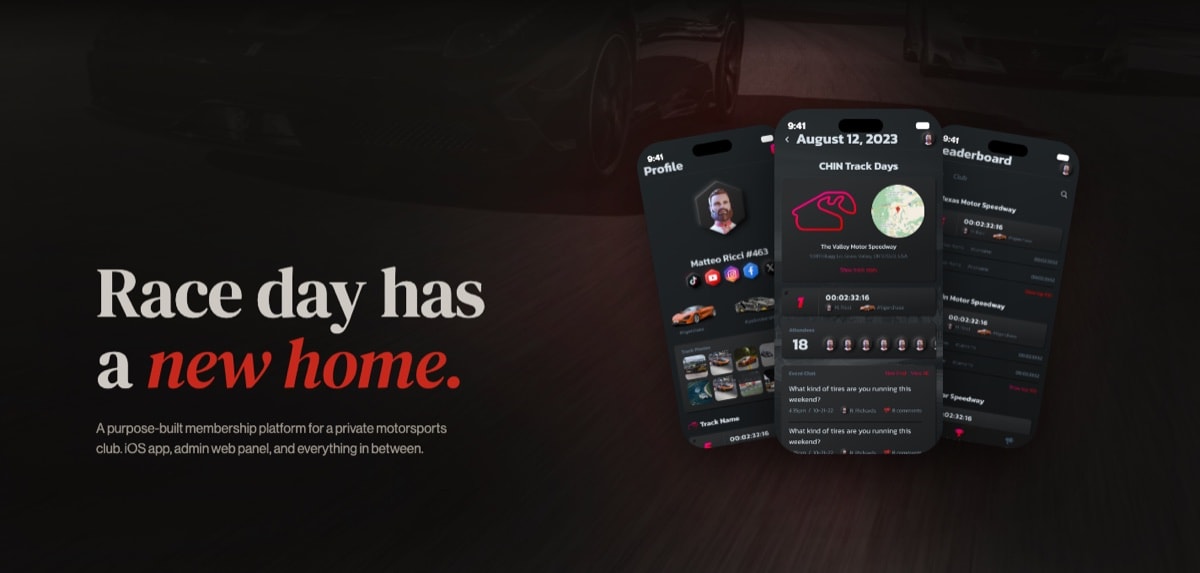
Race day has a new home.
Exclusive Racing Club · iOS & web platform
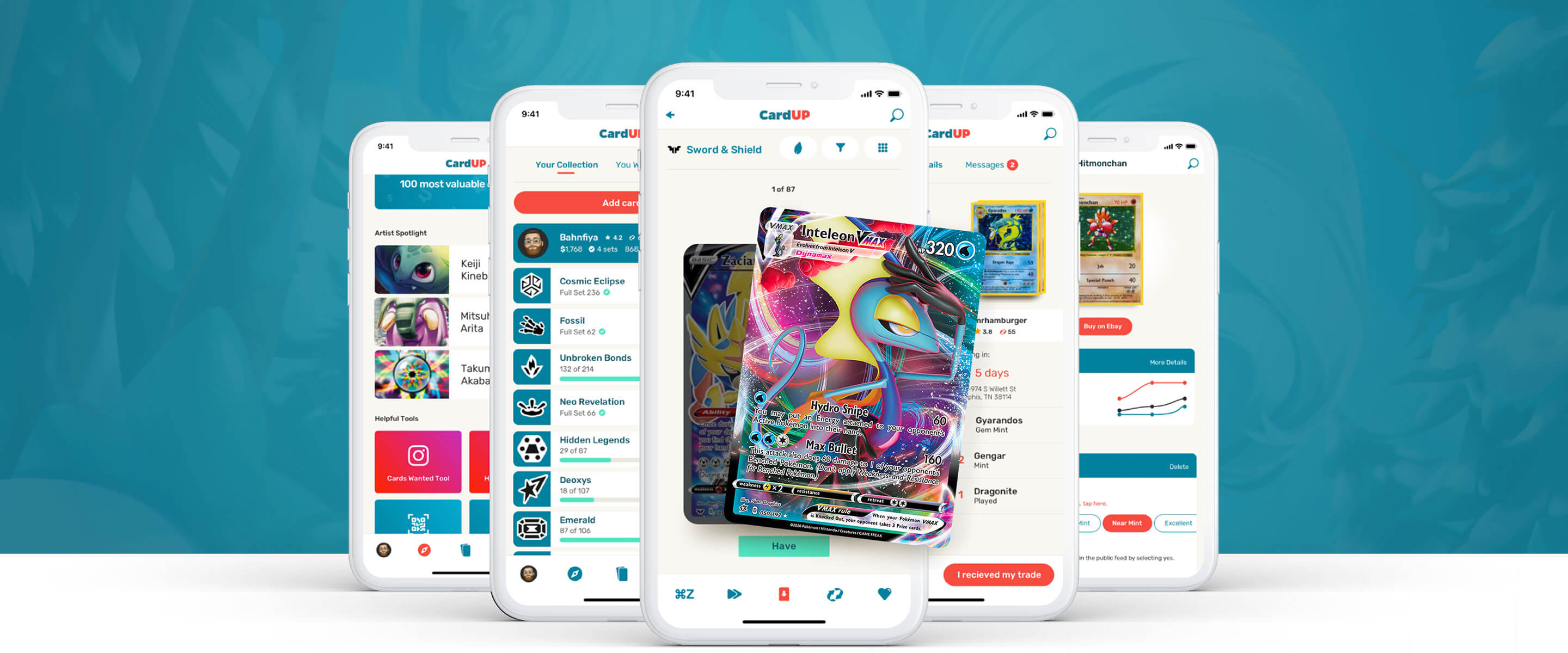
Your Pokémon card collection’s new home.
CardUp · iOS
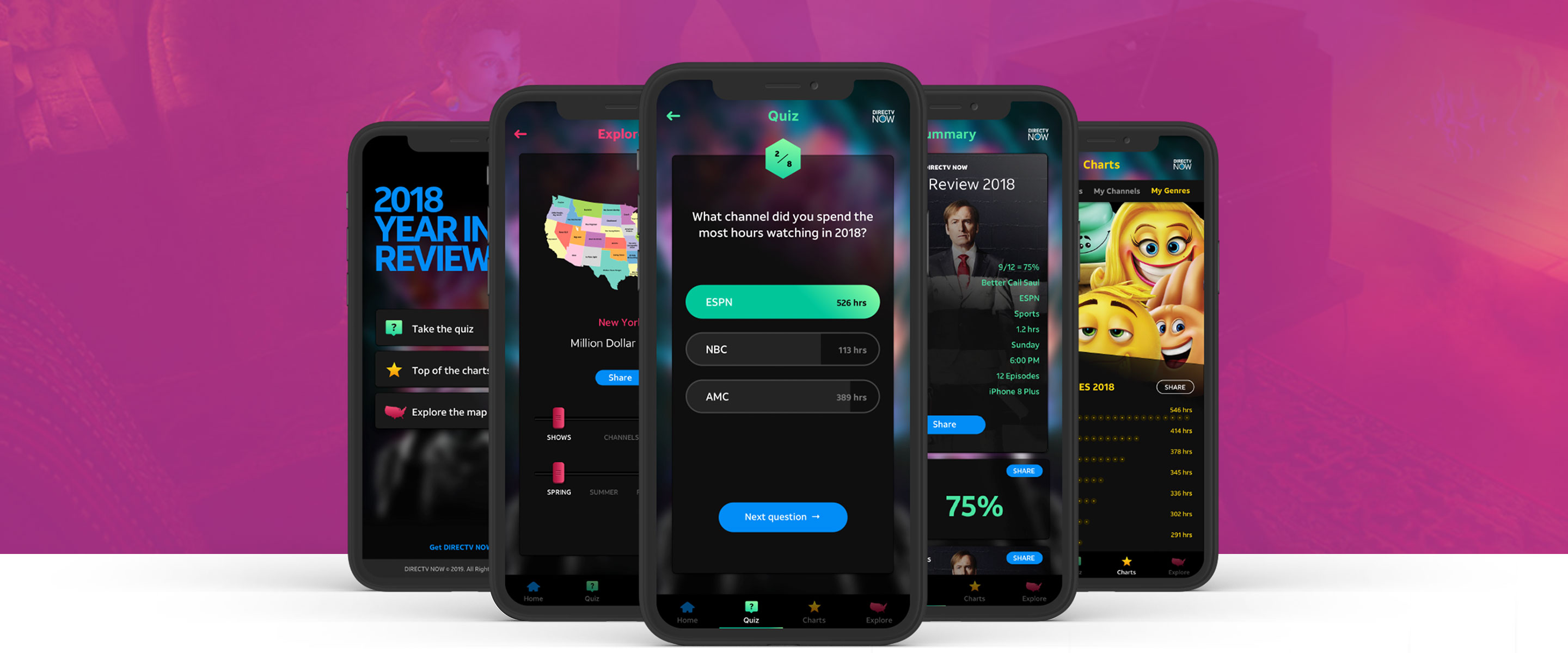
Your personal connection with the entertainment world.
DIRECTV Year in Review · Web and iOS
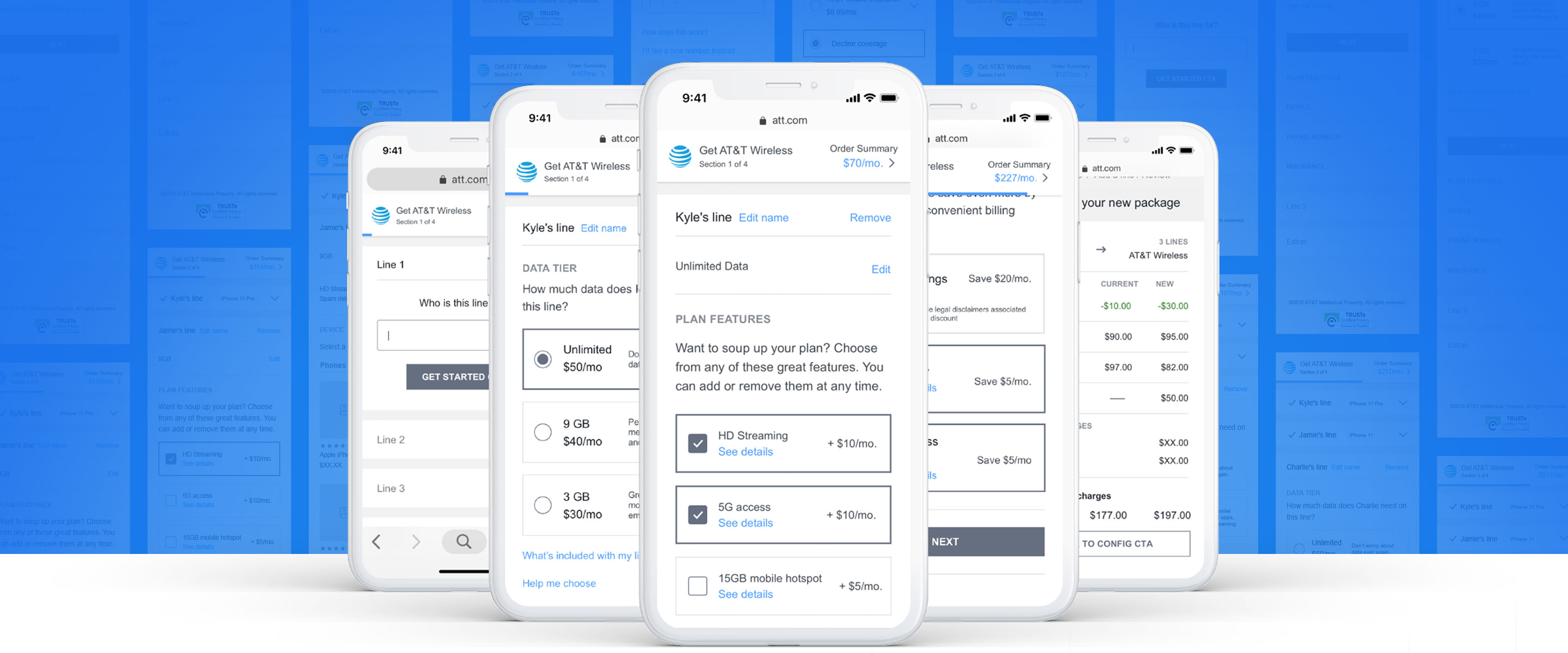
Everyone can choose their own plan. It’s that simple.
AT&T Mix n Match · Wireless acquisition flow
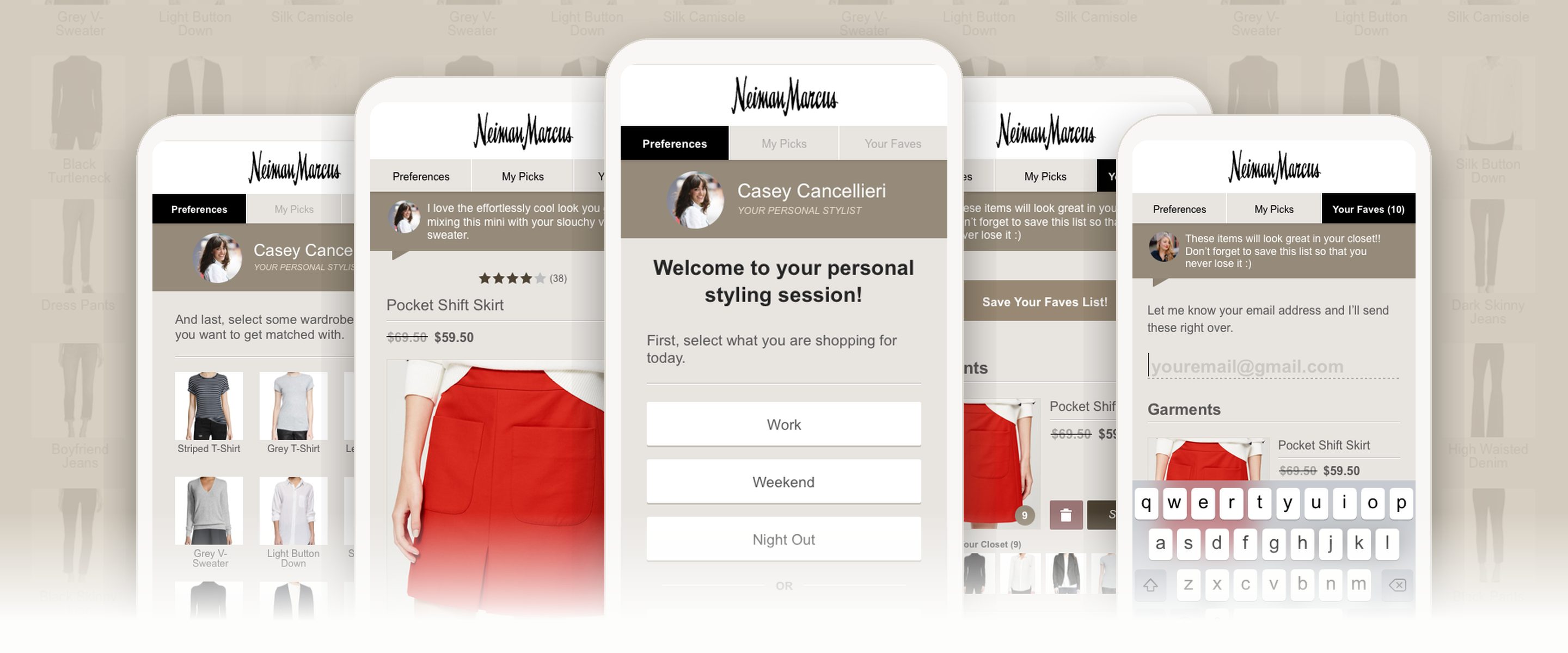
Everyone gets a stylist.
EveryWear · Human + algorithm styling platform
The agent sees what the customer sees.
AT&T · Omnichannel & human-assist design
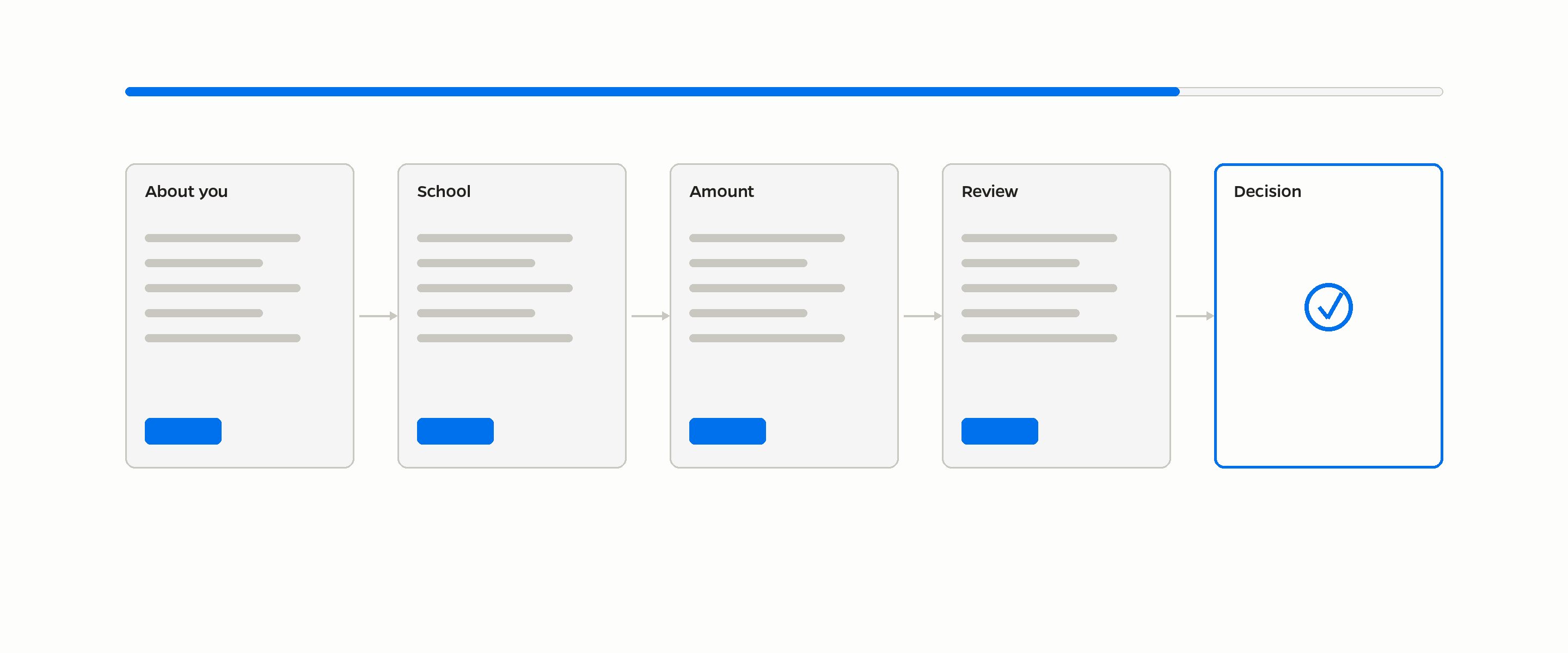
Apply with your eyes open.
A national student lender · Application experience
The right answer, before the phone call.
A national student lender · Flagship native app
Every screen, speaking the same language.
A national student lender · Enterprise design system
Scan the room. Meet its art.
An art-tech startup · Spatial art curation