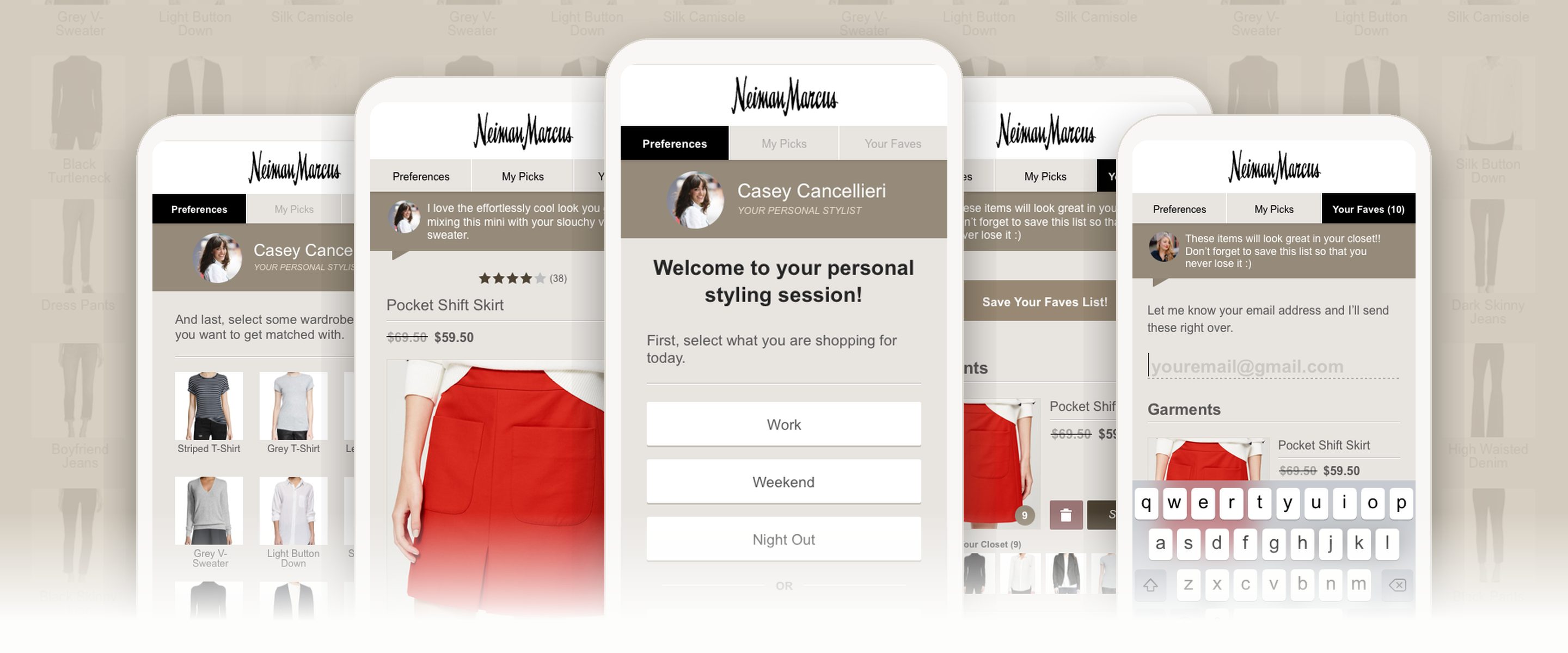
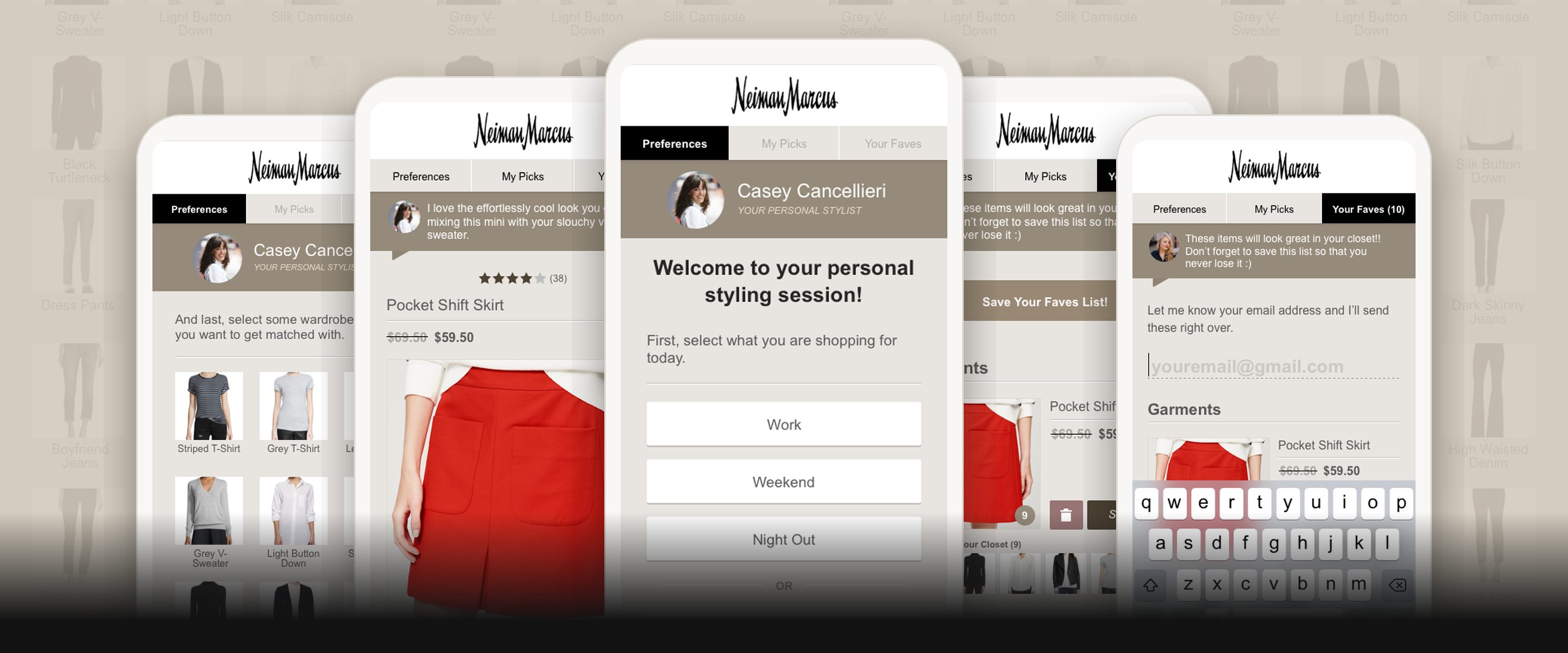
Everyone gets a stylist.
Project details
- Role
- Lead Product Designer
- Client
- EveryWear
- Timeline
- 2016 to 2017
- Platform
- White-label web, mobile-first
Overview
We partnered with EveryWear’s founding team to design the first white-label styling platform that paired trained stylists with a recommendation engine. Luxury retailers reserved personal styling for their biggest spenders; EveryWear put a stylist in front of every shopper who wanted one. The experience converted at 15%, four times the retailer baseline, and 63% of users came back without being asked. Here’s how a conversation became a conversion engine.
Opportunity
Personal styling was retail’s best converter and its least available service, so we set out to make the stylist scale without losing the trust that made her work.
Research & Discovery
Three findings shaped everything that followed:
- She shopped on her phone
- Traffic breakdowns across partner retailers skewed heavily mobile. Whatever we built had to live comfortably under a thumb, which ruled out the desktop-quiz pattern every competitor was running.
- Context beat catalog
- Recommendations landed when they were built around something, one anchor piece she was considering or basics she already owned. Rack browsing with filters was the experience she was trying to escape.
- Trust is borrowed before it is earned
- Users extended trust to recommendations because a named stylist with a face delivered them. The algorithm never had to win her over. Casey did.
One in four users asked for an ongoing relationship with a stylist who was mostly an algorithm.
How I framed it
Three constraints, all of them structural. Zero tech-lift: retailers integrated through a microsite, a script include, or an iframe, and handed over nothing but fonts, colors, and a logo on a three-week turnaround, so every component had to wear an unfamiliar brand without alteration. Stylist hours were the scarce resource: human attention had to be spent only where it changed the sale. And her data was the product: progressive profiling and the e-closet only worked if every question felt like styling, never like a survey.
Key decisions
Intake as conversation
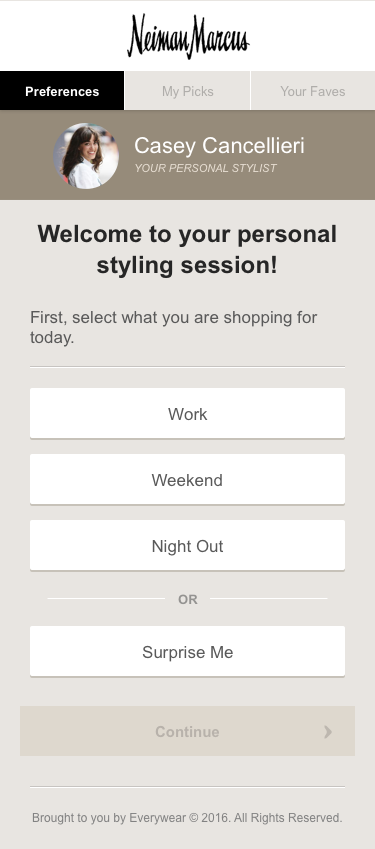
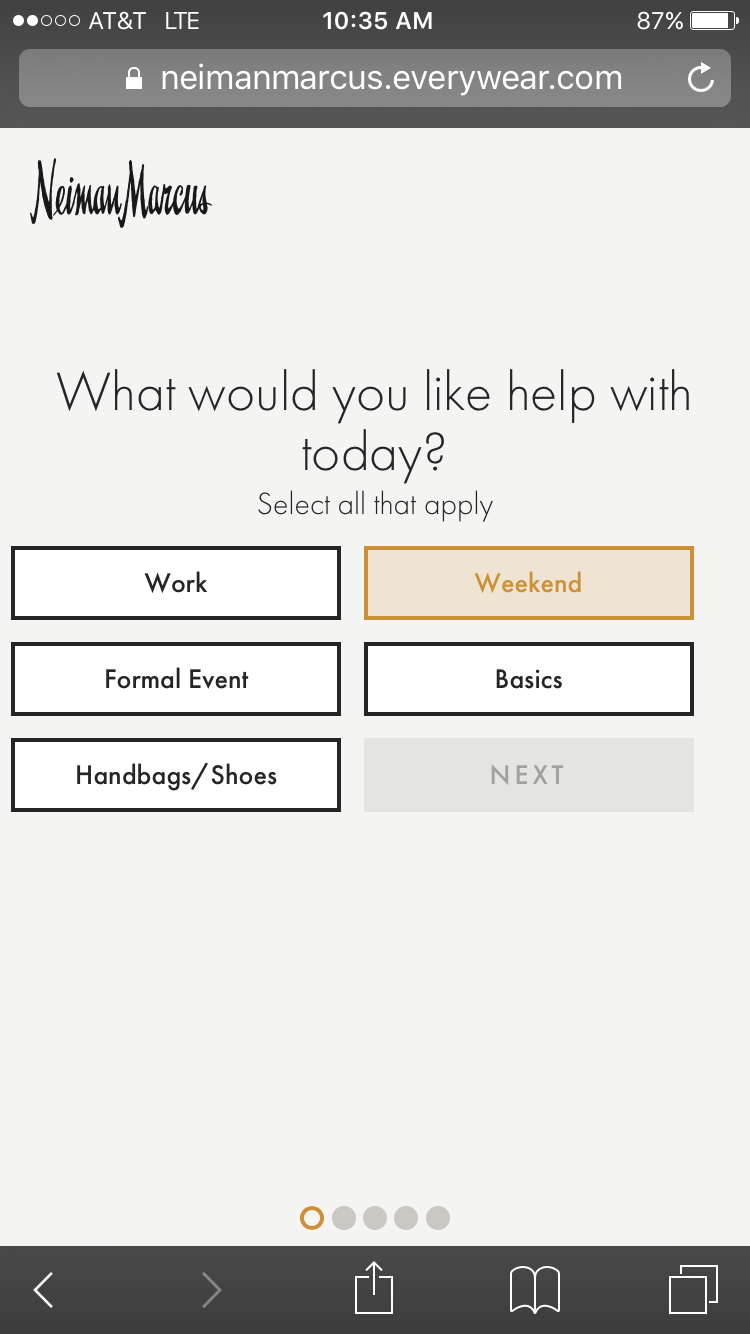
Forms read as work. We opened with the question a stylist would actually ask, what are you shopping for today, and let Work, Weekend, or Night Out start the profile. Every answer was styling. The profiling came free.
Interaction
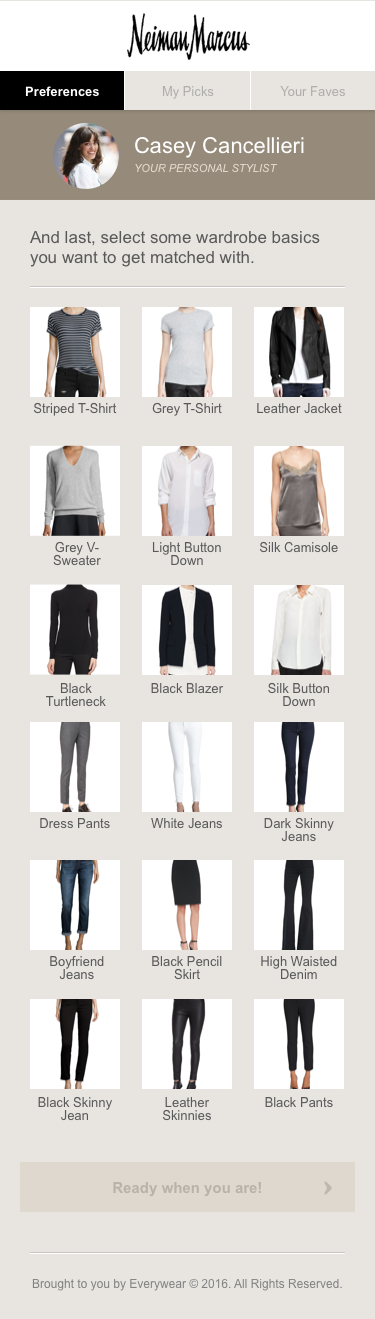
The closet is the data model
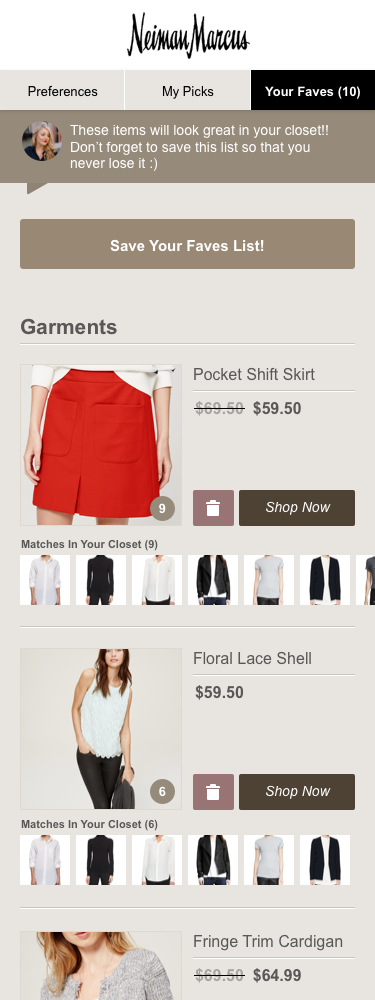
Recommendations anchored to what she already owned. Asking which basics were in her closet produced a better outfit in the moment and a progressive profile the retailer had never had.
Architecture
Humans where they count
The system graded lead quality and routed high-intent shoppers to a live stylist session. Everyone else got the algorithm wearing the stylist’s voice. Scarce human attention went exactly where it changed the sale.
Service design
One system, any brand
Fonts, colors, and a logo were the only inputs a retailer supplied. The same components dressed as Neiman Marcus one week and LOFT the next, a token system before we called them tokens.
System
The first five minutes
The session opened as a message from Casey, your personal stylist, not as a form. One question per screen, answers as taps, and a visible face carrying the exchange. By the time she reached recommendations she had told us the occasion, her basics, and her boundaries, and it had felt like being listened to.
Outfits, not products
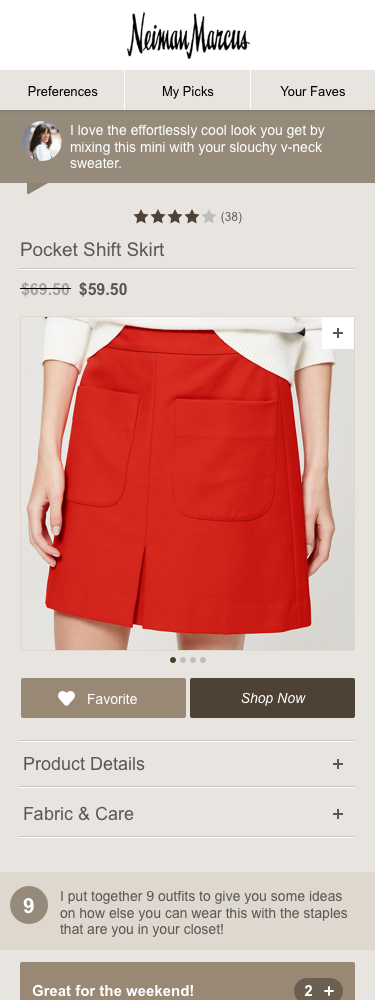
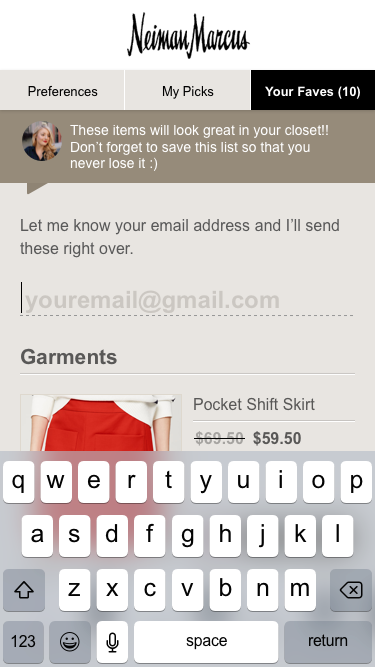
The product detail page did the stylist’s real job: it built the whole outfit around the anchor piece, graded for the occasion she named at intake. Great for the weekend, great for a night out, each one a composed look with its own pieces, prices, and a single Shop Now. Faves collected the keepers and asked for an email only once she had something worth keeping.
The follow-up
Retargeting was reframed as the stylist checking back in. Her faves lived at a permalink; price drops, restocks, and new arrivals against her profile arrived as a note from Casey rather than a campaign blast. That is what 63% of users returned to, unprompted.
User Testing
Testing kept returning one lesson: the more the interface looked like shopping homework, the colder she went. We ran scripted moderated sessions across six review rounds in spring 2016, tightening outfit ordering, trimming detail density, and rewriting intake questions that tested as survey-flavored. A full Safari versus Chrome sweep on mobile chat caught the rendering gaps before any retailer’s customer did.
Results
- 15%
- conversion, four times the retailer baseline
- 63%
- returned to the experience unprompted
- 1 in 4
- requested an ongoing styling relationship
The numbers carried the pitches. I led design walkthroughs that put EveryWear in front of Neiman Marcus, Bloomingdale’s, and Nordstrom, and the white-label system meant every pitch wore the prospect’s own brand. The platform converted at rates the retailers’ own funnels could not approach, on traffic they already owned.
Reflection
EveryWear taught me that trust is an interface decision. Users took an algorithm’s picks because a stylist’s face delivered them, a lesson I have spent the decade since applying to moments much bigger than a weekend outfit. If I rebuilt it today I would instrument the conversation itself; we measured conversion when the richer signal was the chat. And I would name the thing sooner: this was a human-in-the-loop AI product, seven years before everyone put AI in the deck.
Case studies
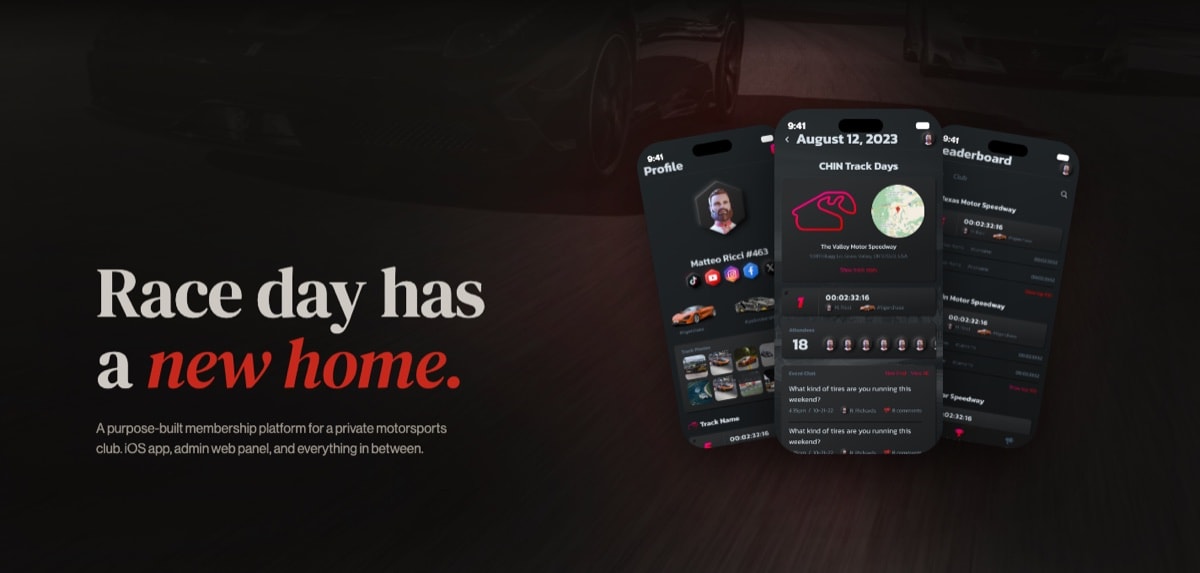
Race day has a new home.
Exclusive Racing Club · iOS & web platform
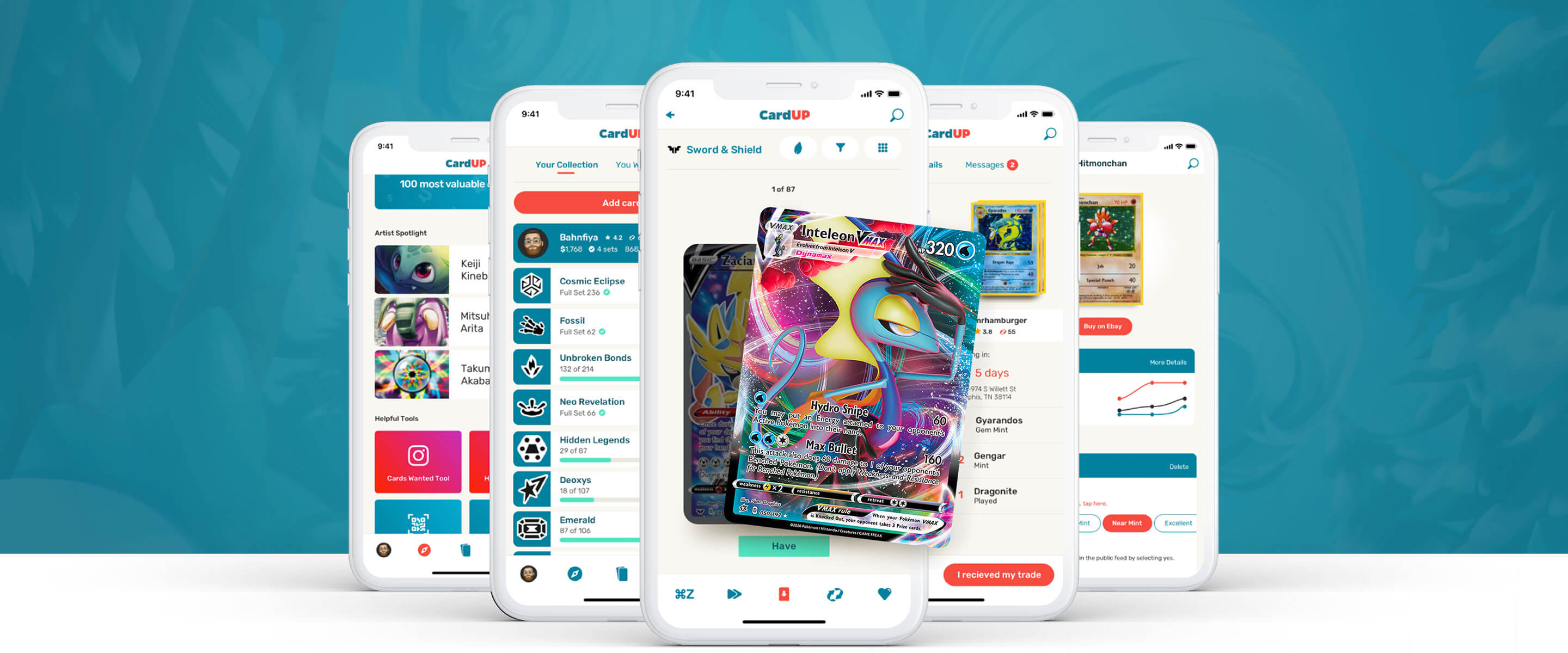
Your Pokémon card collection’s new home.
CardUp · iOS
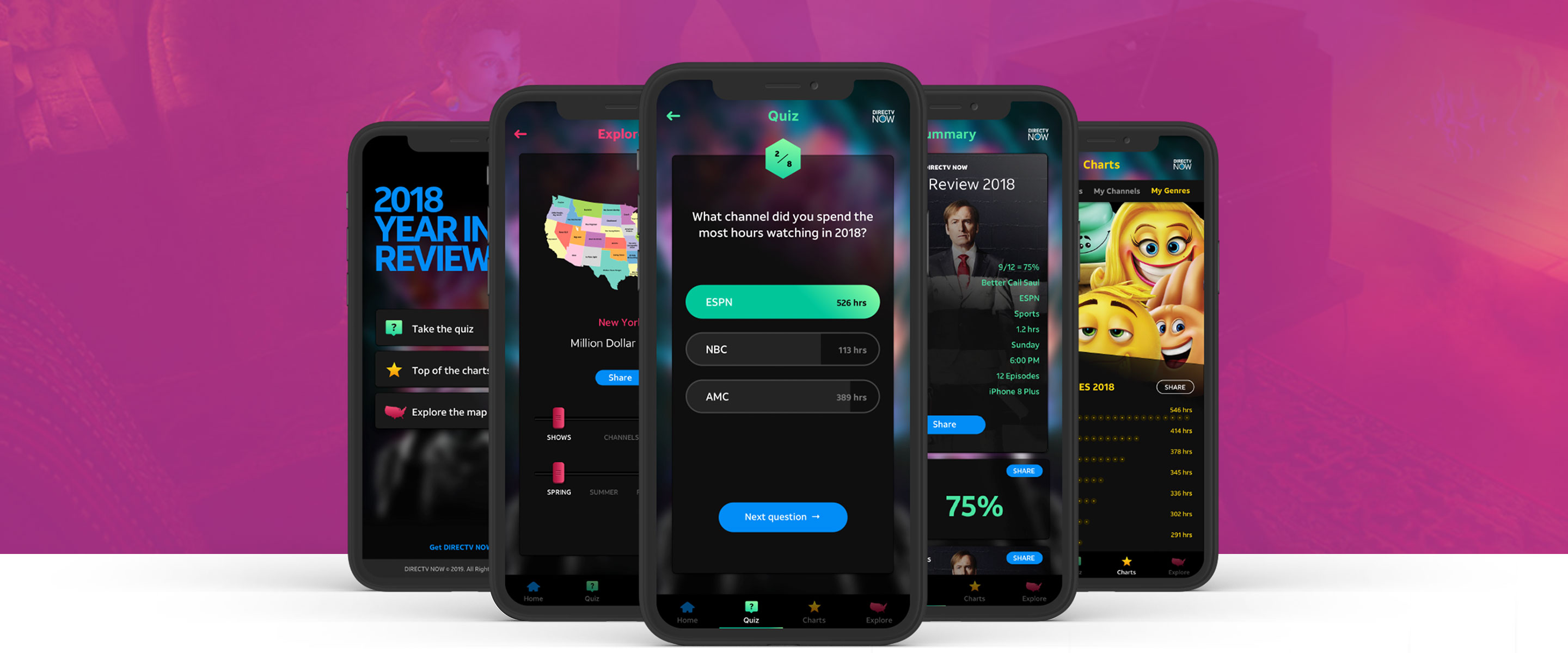
Your personal connection with the entertainment world.
DIRECTV Year in Review · Web and iOS
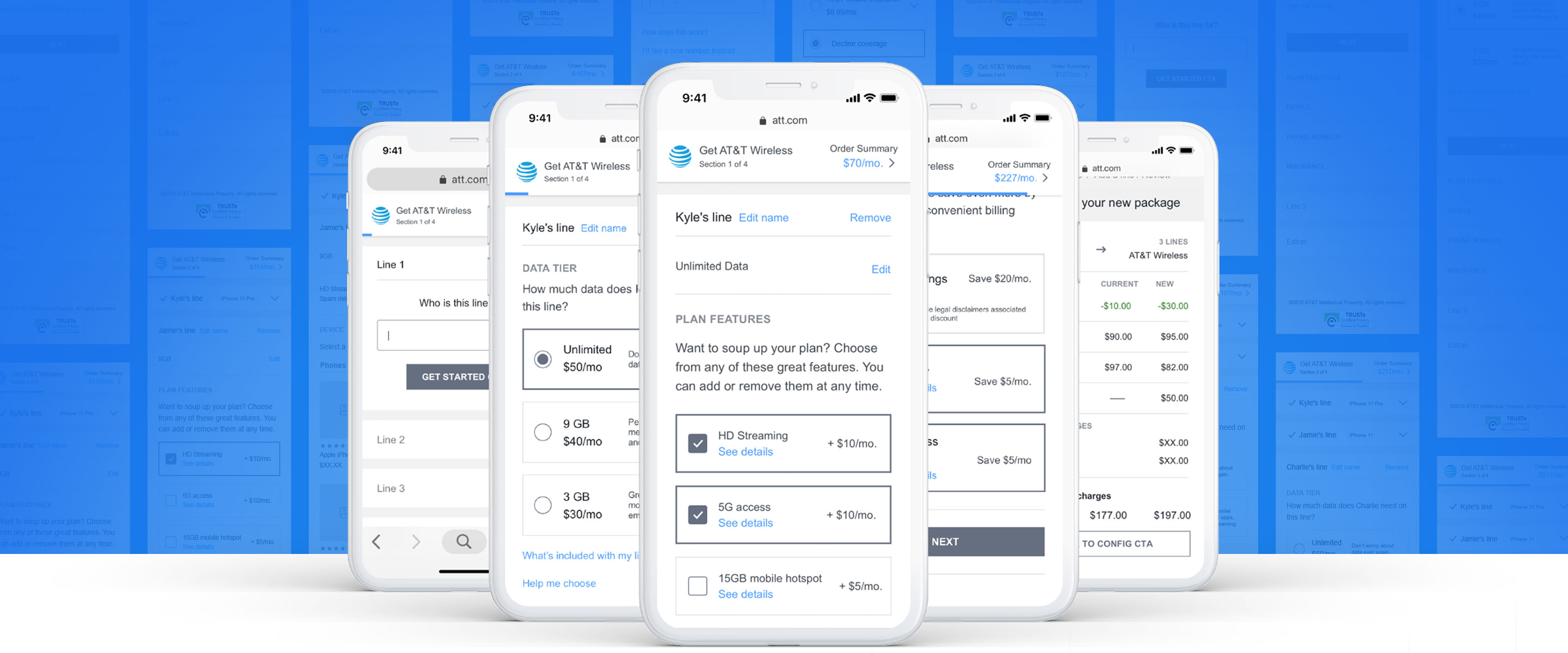
Everyone can choose their own plan. It’s that simple.
AT&T Mix n Match · Wireless acquisition flow
Everyone gets a stylist.
EveryWear · Human + algorithm styling platform
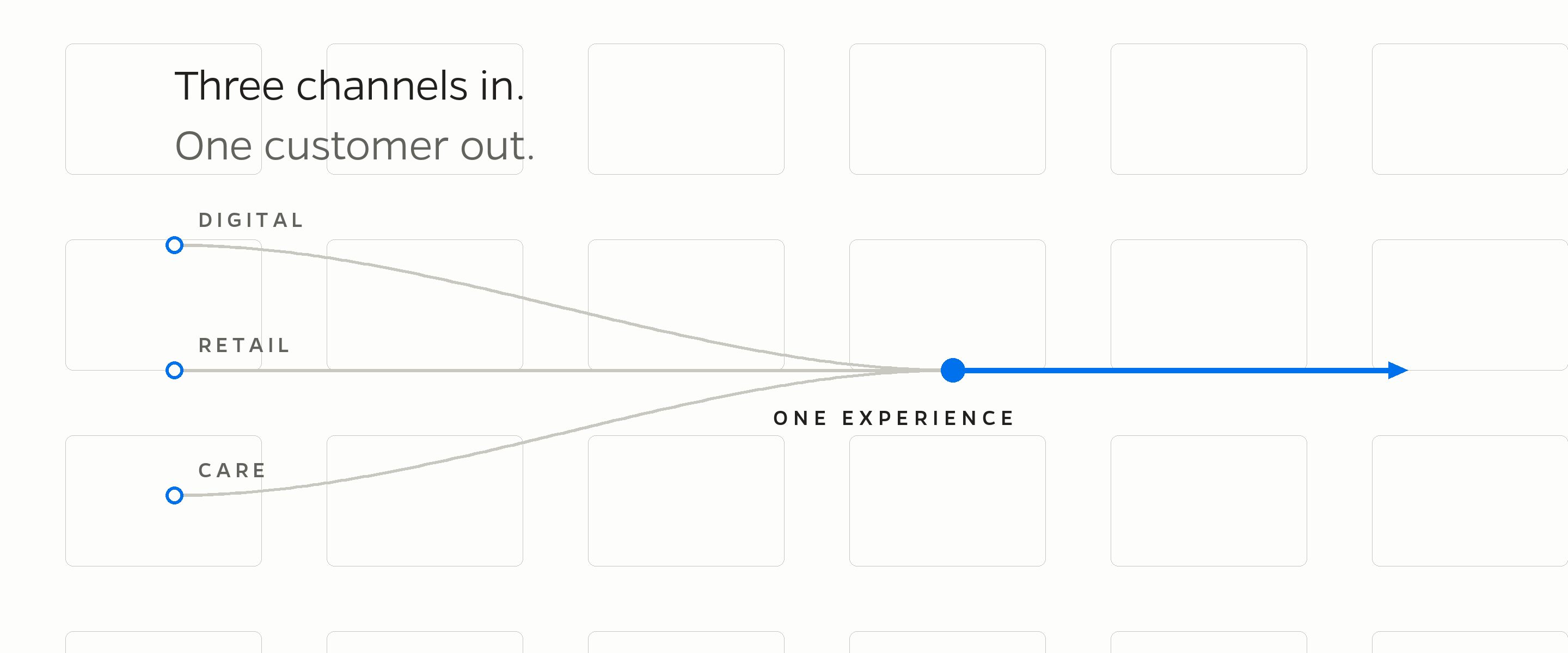
The agent sees what the customer sees.
AT&T · Omnichannel & human-assist design
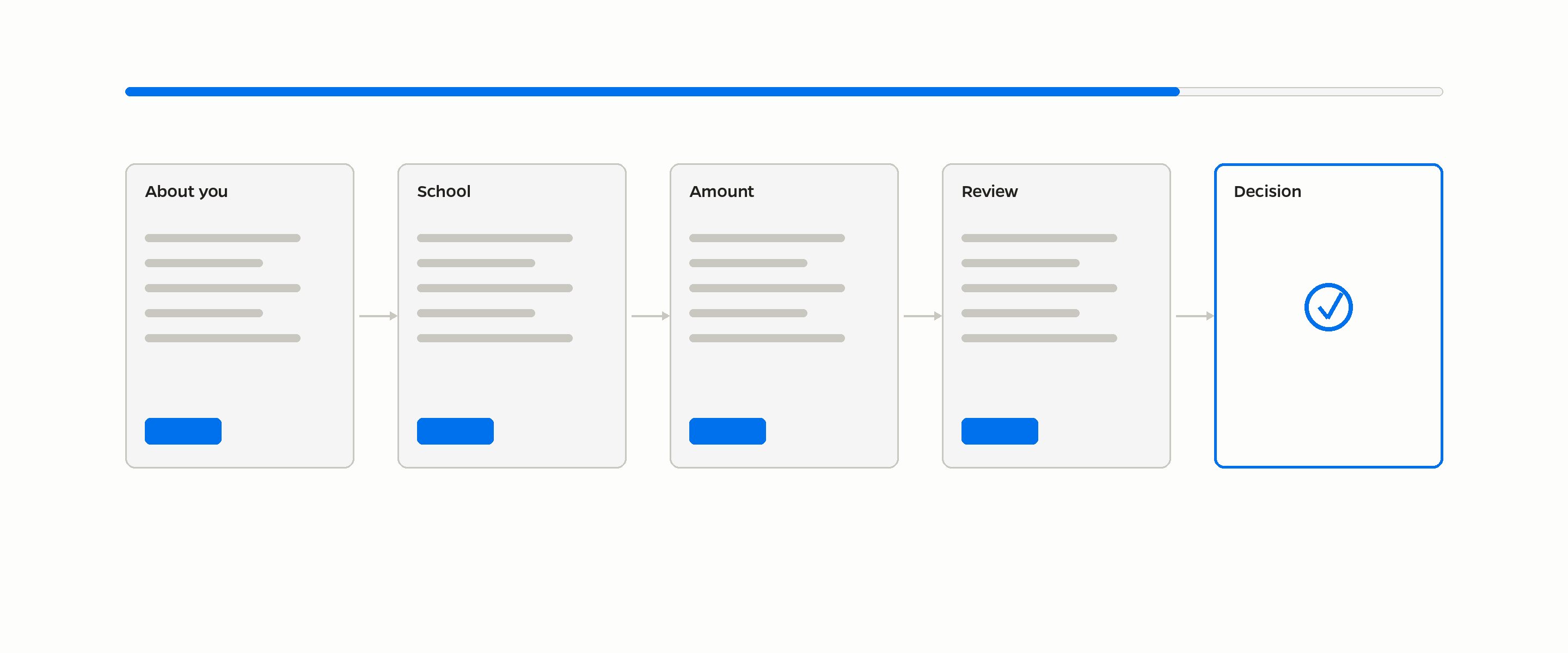
Apply with your eyes open.
A national student lender · Application experience
The right answer, before the phone call.
A national student lender · Flagship native app
Every screen, speaking the same language.
A national student lender · Enterprise design system
Scan the room. Meet its art.
An art-tech startup · Spatial art curation