How I work: what, how and why.
Start with why, and customers stay.
Simon Sinek’s Golden Circle keeps every product decision tied to that promise.
I lead design where policy, business and the product meet.

The What
Native apps, application flows and design systems that ship and move a number. Plus the teams who keep them honest.
The Proof
On a national student lender's flagship native app, I set the product vision, then onboarded a third-party vendor and blended it with the in-house designers into one team. That app took $10M a year off call-centre cost.
View case study: Flagship Native ApplicationNow I work where policy, business and design meet. On the same lender's application, that added $2B in originations.
View case study: Application Experience
The How
Evidence, then systems. I read the funnel against the screens behind it, find where intent leaks out, and fix it so the next team can reuse the fix.
The Proof
One great screen is luck. On AT&T's customer experience team, we owned the strategic direction for three channels: retail, care and web. That is where I learned a system is how you repeat a great screen.
View case study: Mix & Match
The Why
Someone should get what they came for with less effort than they expected. I name who that someone is, and how much easier their day gets, before I open Figma.
The Proof
I learned the craft at Sony Music.
Day one is the wrong day to redesign anything.
I know the least I'll ever know about the product on day one. So I spend the first quarter earning the right to change it. The 30/60/90 day plan shifts with the role, so pick the one you're hiring for.
Making AI predictable is the game. I merge business values with technology + design so every answer keeps the promise.
Have a question?
Ask my AI, SmartyPants.
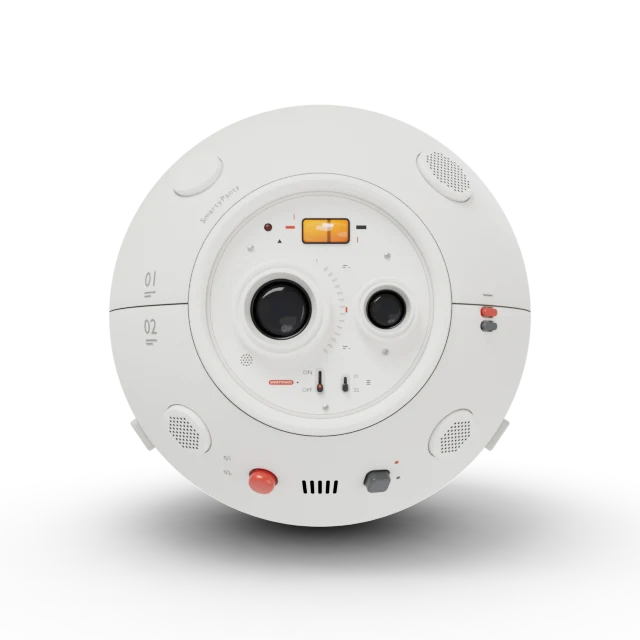
SmartyPants is AI and can make mistakes.